
Welcome to Musings—
A space where I cut through the noise and get to the heart of effective leadership and strategy execution. Here, I share hard-earned insights, practical frameworks, and candid reflections to help you navigate the complexities of leading teams and driving change. Each post is designed to be a quick, impactful read—something you can digest between meetings and apply immediately. Whether you're refining your leadership approach, tackling execution challenges, or seeking to foster a more cohesive team, you'll find valuable takeaways here.
Dive in, reflect, and let's grow together.

Why Going Faster Can Make You Slower
If you don’t prepare your company for the changes a strategy brings, that strategy is almost certain to fail. A new strategy puts a new load on an organization. You’re asking people to take on different work, make different decisions, and often stop doing things they’ve been doing for years. If you haven’t prepared for that load, something is likely to break.

The Expert Trap: When Success Makes You Stop Asking Questions
The more success you've had, the more evidence you have that your judgment is good. Experience becomes expertise. Expertise becomes confidence. And eventually, that confidence can make contradictory information easier to dismiss.
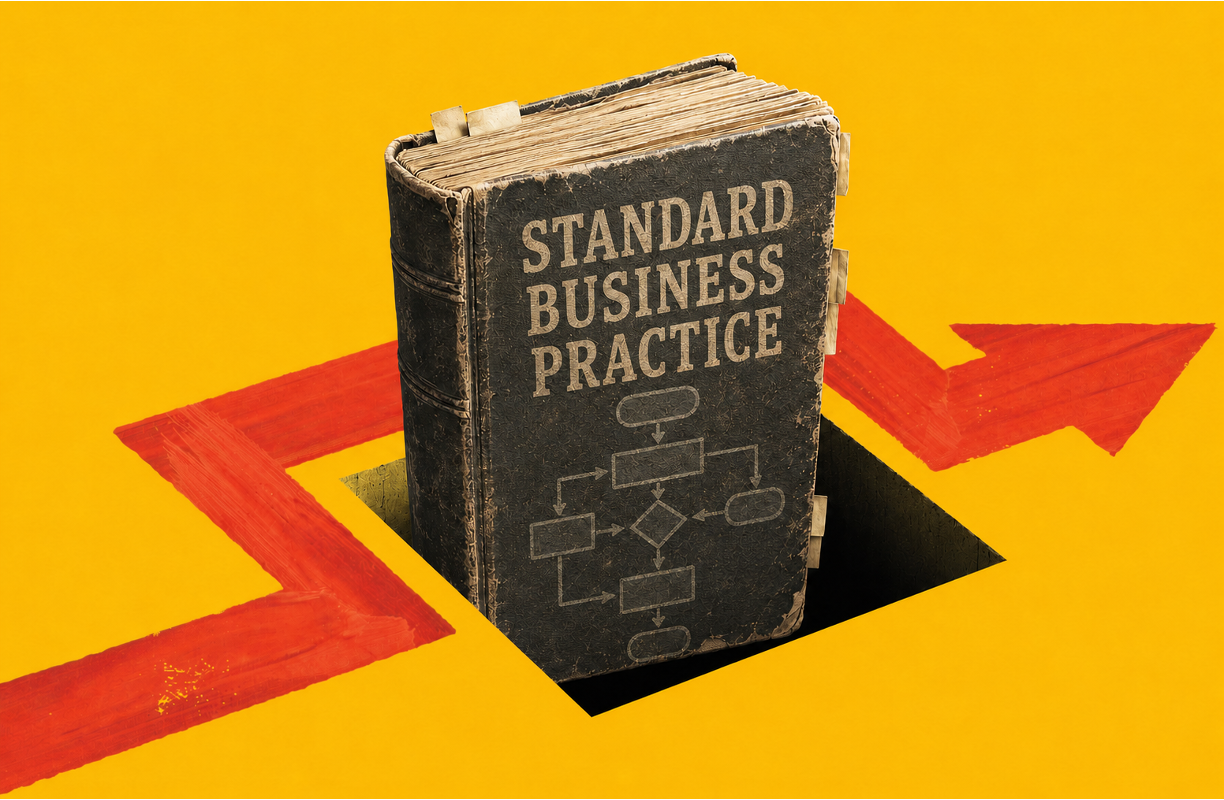
The Conventional Business Wisdom Trap
There's an old saying that doing the same thing over and over and expecting a different result is the definition of insanity.
Research by Kaplan and Norton found that 90 percent of organizations fail to execute their strategies successfully. Harvard Business Review reports that 67 percent of well-formulated strategies fail due to poor execution. Most leaders have lived those numbers. And yet the approach to execution rarely changes.

The Ivory Tower Trap
The strategy is set. The kickoff went really well. But a few months later, the leader has moved on to the next thing, and the team is left navigating execution largely on their own.
A leader's job doesn't end when the strategy is handed off. It shifts. The planning phase requires strategic thinking. The execution phase requires coaching, which is the active, ongoing work of keeping teams focused, motivated, and moving forward as reality unfolds.

When You're Too Excited to See the Risk
The more something seems to benefit you, the less risky it seems overall. Your brain doesn't evaluate benefit and risk as separate questions, it bundles them together. So when you're genuinely excited about an idea, the risks get diminished in your brain. The reverse is also true. When you're skeptical of something, the benefits get harder to see.
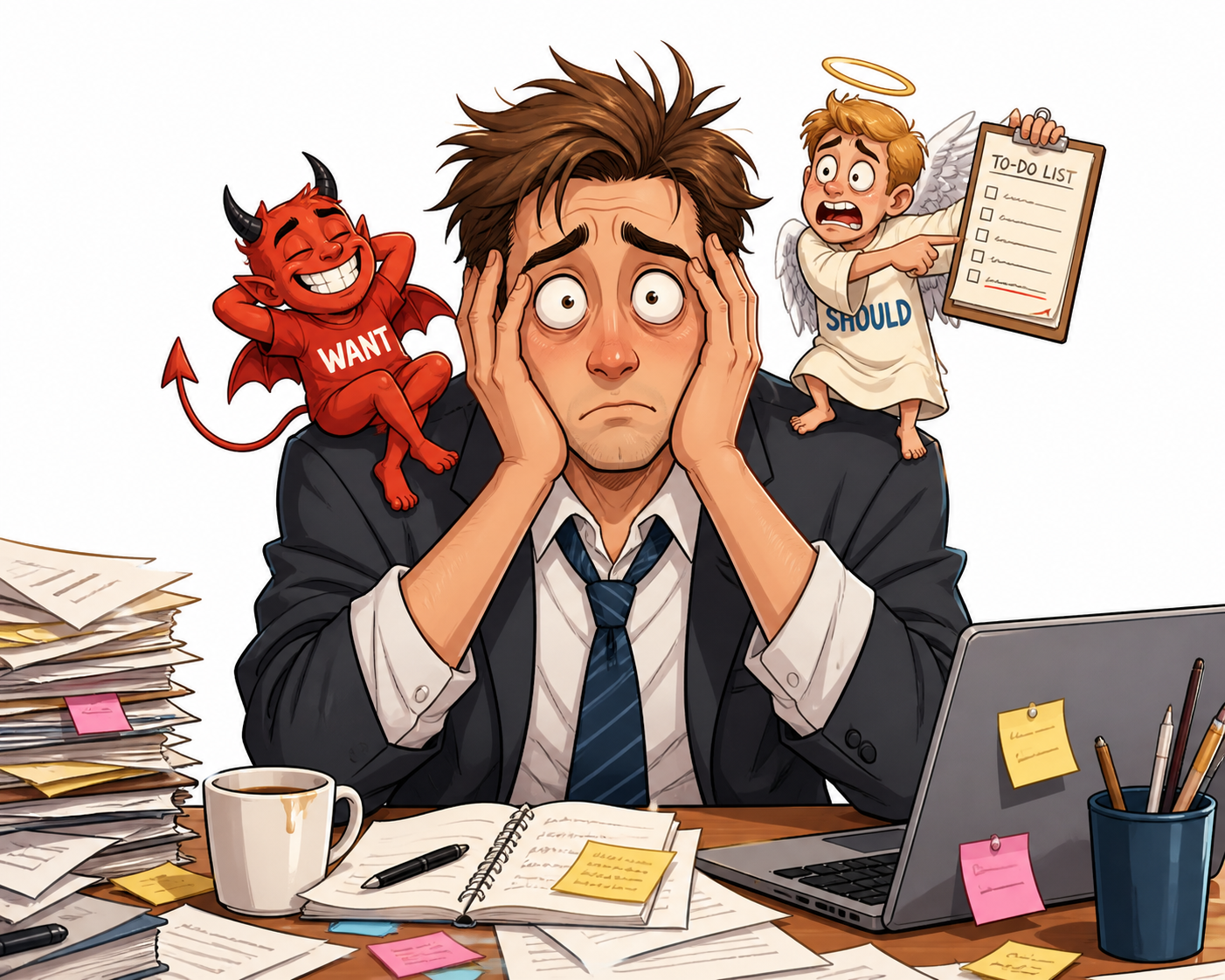
The Battle of “Want” vs. “Should”
Want never goes away.
The people who actually follow through aren't more disciplined than the rest of us. They just planned for the moment when want would tempt them away from should. Everyone else assumed future-them would handle it. Future-them rarely does.
Every strategy is a essentially a list of shoulds. We should enter this new market. We should fix our customer experience. We should build this capability. And when the plan gets built, it looks completely achievable.

The Case for Doing Nothing
I'm writing this from New Orleans JazzFest. One of my favorite places on earth.
Yesterday, between sets, I just sat. No phone. No podcast. No plan. Just the hum of the crowd thinning out and the distant sound of someone's soundcheck bleeding across the fairgrounds. And somewhere in that quiet, my brain did something it rarely gets to do anymore: it wandered.
Thoughts I hadn't made time for started surfacing. Nothing particularly urgent—just loose, unfinished ideas I'd been carrying around without realizing it. It felt like the mental equivalent of a good stretch.
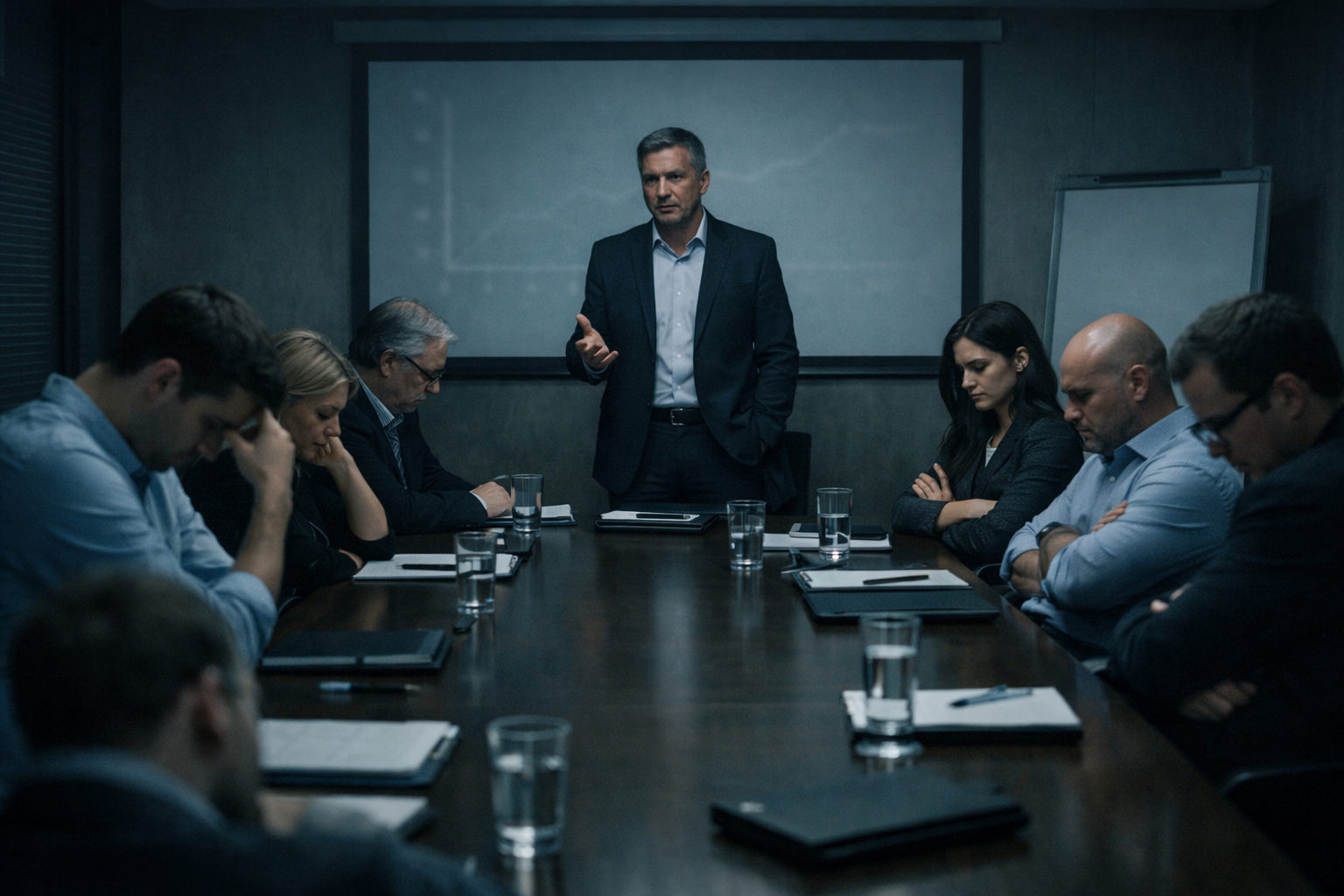
Fear Is the Default. Safety Has to Be Built.
Picture a leadership meeting that seems to be going well. You’re engaged, laying out the plan, asking questions. The team is nodding. Nobody pushes back. Everyone leaves aligned.
That much agreement is worth examining.
When a room full of capable people stops challenging ideas, stops flagging risks, stops asking hard questions, something is suppressing their instinct to do so. Usually it’s self-protection, not apathy.

The Decisions You'll Never See
Your team made hundreds—maybe thousands—of decisions today without you. What to prioritize when two things are due at once. Whether to push back on a customer or accommodate. Which features to fix first. How much to spend before asking for approval. What "good enough" looks like on a deliverable you'll never see.
You weren't in the room for most of them. You never will be.
That's not a problem…unless those people don't have what they need to decide well.

The Behaviors You Tolerate
Michael Basch put it plainly in Customer Culture: "People change, not because managers direct them to change, but because they find themselves in a culture where personal change is in their best interest."
Restaurateur Danny Meyer said something similar, from a different angle: “Culture is the sum of all the wanted behaviors you celebrate, minus the unwanted behaviors you tolerate.”
Two definitions. One conclusion: culture is built—or eroded—through daily behavior.

It Wasn’t a Prompting Technique
The skill that separates great AI users from average ones is the same skill that separates great leaders from average ones. It has nothing to do with technology.
I had an idea the other day I wanted to develop, and I went to Claude and said, essentially, "I think there's something here. Help me figure out what it is."
But I didn't just give it a task. I gave it context. I shared my why behind what I was trying to accomplish. I shared my uncertainty — that I wasn't sure exactly where it would land. And I asked it to help me get there rather than just telling it what to produce.

The Interpretation Tax
Silence creates more work than bad decisions.
When leadership communication slows down, people start filling in the blanks. You’ll hear questions like: Is this still a priority? Did something change? Should I move forward, or wait?
Most people don’t want to make the wrong call. So they slow down. They check with others or wait for direction.
I call this the interpretation tax.

The Most Dangerous Phase in Strategy Meetings is “Sounds Good”
Some of the worst strategic decisions happen in the smoothest meetings.
You’ve been in these meetings. Everyone gets along, the conversation is easy, and the discussion feels productive. The meeting ends with nods around the table and a sense of direction.
But agreement isn’t alignment.

Say Less. Mean More.
The hardest part of communicating anything isn’t deciding what to say. It’s deciding what not to say.
Clear communication is a discipline. It means resisting the urge to add, even when adding feels helpful. It means stripping the message down to the parts that actually guide action and letting the rest go.

The Illusion of Alignment
Alignment isn’t everyone nodding in agreement. You can’t determine alignment with a yes or no question. Alignment runs too deep for that.
True alignment is when everyone making the same decision when you’re not in the room.
When alignment isn’t real, the cracks show up fast.

We Experience What We Expect
Did you know the placebo effect is active in your brain every single day, not just in hospitals or clinical trials?
Psychologists call it Expectancy Theory, and it shows that the reality we experience is driven by our expectations.
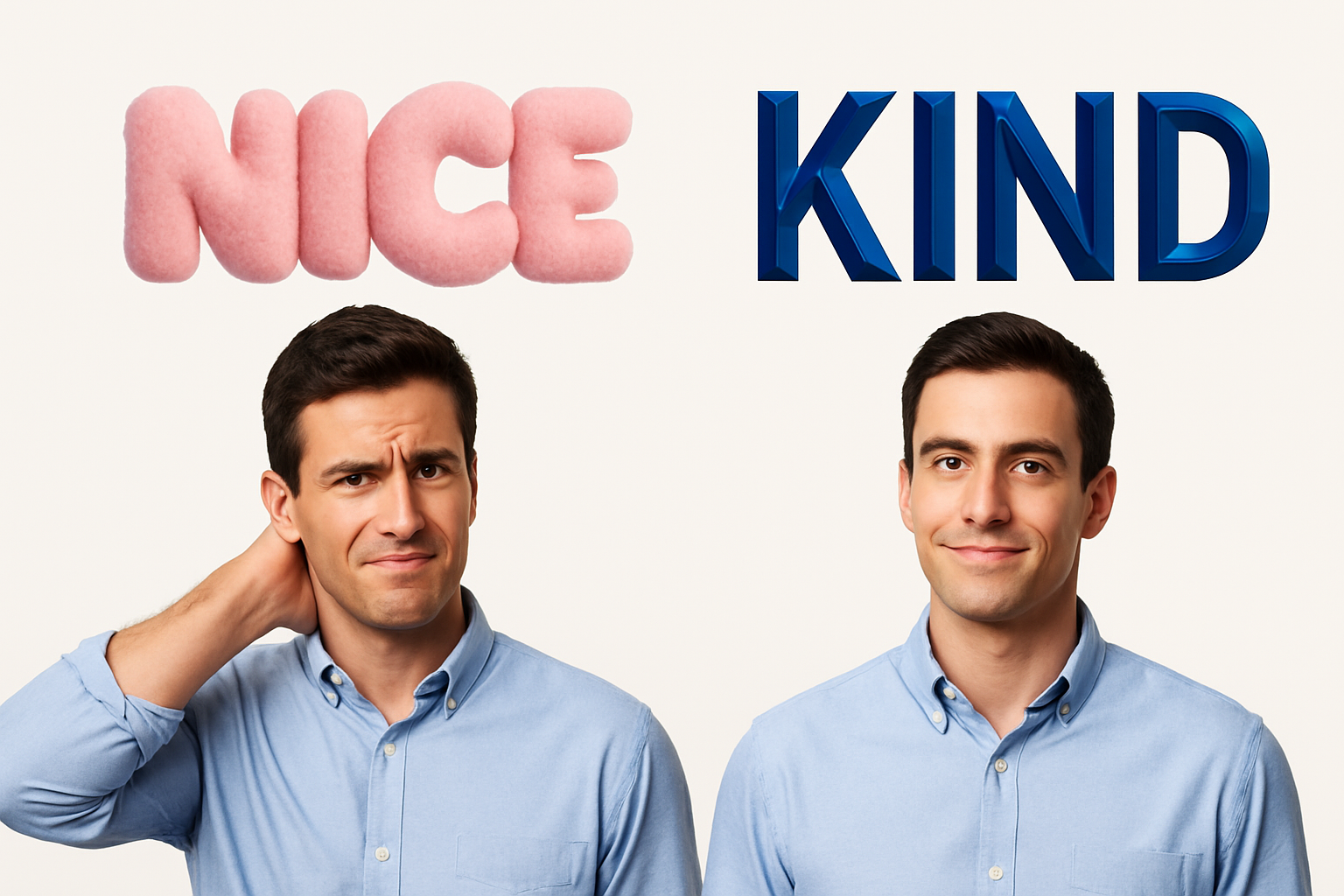
The Cost of Nice, the Power of Kind
Nice is a trap. Kind is a catalyst.
At first glance, nice and kind sound like synonyms. But when coaching a team through execution, they couldn’t be further apart.

Delegate the How
When you’re accountable for the outcome, letting go of the “how” feels risky.
If the team takes a wrong turn or misses a date, you’ll be the one explaining.
Still, trying to own every move will burn you out, disenfranchise your team, and likely leave better solutions undiscovered. Instead, define the destination; they determine the path to get there.

Why Great Teams Win One Play at a Time
With (American) football season right around the corner, I’ve been revisiting some of my highlights from former 49ers coach Bill Walsh’s excellent book, The Score Takes Care of Itself. It’s packed with leadership insights that reach well beyond the field.
One section in particular stands out, especially for those of us thinking about how to build and lead effective teams. It’s called Establishing Your Standard of Performance, and the rules are pretty darn good:

Matching the A’s: The Organizational Power Couple That Should Never Divorce
There’s a mismatch in many organizations that leads to frustration, inefficiency, and that nagging “why can’t we get anything done around here?” feeling.
It’s the disconnect between Authority and Accountability.