
Welcome to Musings—
A space where I cut through the noise and get to the heart of effective leadership and strategy execution. Here, I share hard-earned insights, practical frameworks, and candid reflections to help you navigate the complexities of leading teams and driving change. Each post is designed to be a quick, impactful read—something you can digest between meetings and apply immediately. Whether you're refining your leadership approach, tackling execution challenges, or seeking to foster a more cohesive team, you'll find valuable takeaways here.
Dive in, reflect, and let's grow together.

Best Buy’s Strategy Failed. Now Tell Me Why.
Let's play a game. Imagine Best Buy's just announced new strategy turns out to be an unmitigated disaster.
That's a premortem. You assume the strategy has already failed, pick a date, and work backward to figure out why. Companies regularly run postmortems after the fact, but it's a lot cheaper to find the flaw using the same mindset in advance than finding it eighteen months later after millions of dollars have been invested.
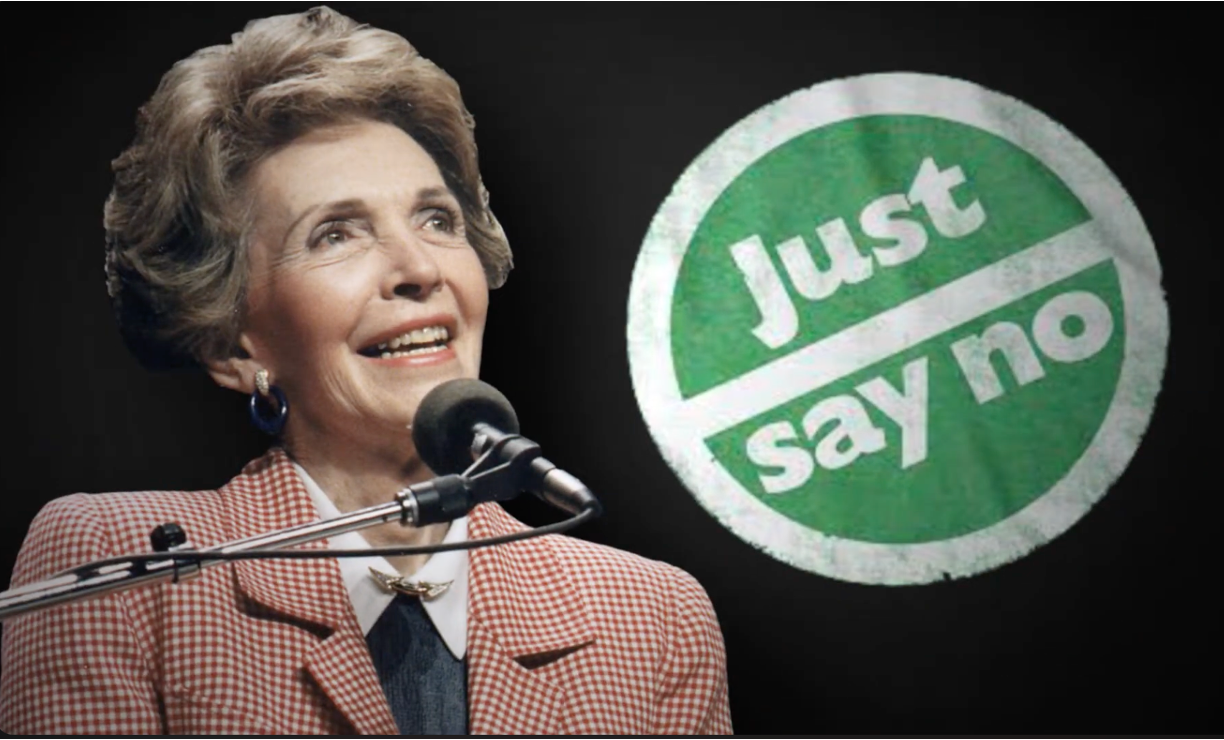
Just Say No
Saying no is hard. It feels like a loss, and we hate losing. There's even a psychological term for it called loss aversion.
So we say yes, especially because in isolation, so many ideas sound great. But every yes steals time, budget, and attention from something else. You may not feel that trade right away. But you may feel it acutely months later when the thing you cared about most is still sitting there untouched because everything else ate first.

The Overcommitment Trap
"We're just going to have to build the plane while we're flying it."
If you've said that—or heard it said—with a straight face, you've probably been in the Overcommitment Trap. The phrase gets treated as a rallying cry, or more concerning, as a badge of honor. But think about what it actually means. Nobody on a real plane would find that reassuring. Neither does your team.
The Overcommitment Trap is what happens when a leadership team keeps adding new priorities without taking anything off the plate.

The Battle of “Want” vs. “Should”
Want never goes away.
The people who actually follow through aren't more disciplined than the rest of us. They just planned for the moment when want would tempt them away from should. Everyone else assumed future-them would handle it. Future-them rarely does.
Every strategy is a essentially a list of shoulds. We should enter this new market. We should fix our customer experience. We should build this capability. And when the plan gets built, it looks completely achievable.

Don’t Waste the Downtime
Every initiative has real constraints. Some work genuinely can't begin until something else happens first. But teams routinely treat optional sequencing like a hard requirement, and the cost isn't just the delay. It's everything that could have been happening while everyone was waiting.

Is Urgency Detouring Your Strategy?
Many leaders say they care about long-term direction. Then the week starts.
You’ve probably seen these happen:
A big customer asks for something special.
A key metric declines.
A senior executive raises a concern.
A competitor makes announces a big move.
And all of the sudden, the planned strategic work slides to the side while the immediate issue takes center stage. Run that pattern enough times and the organization learns what really matters…and it isn’t the strategy.
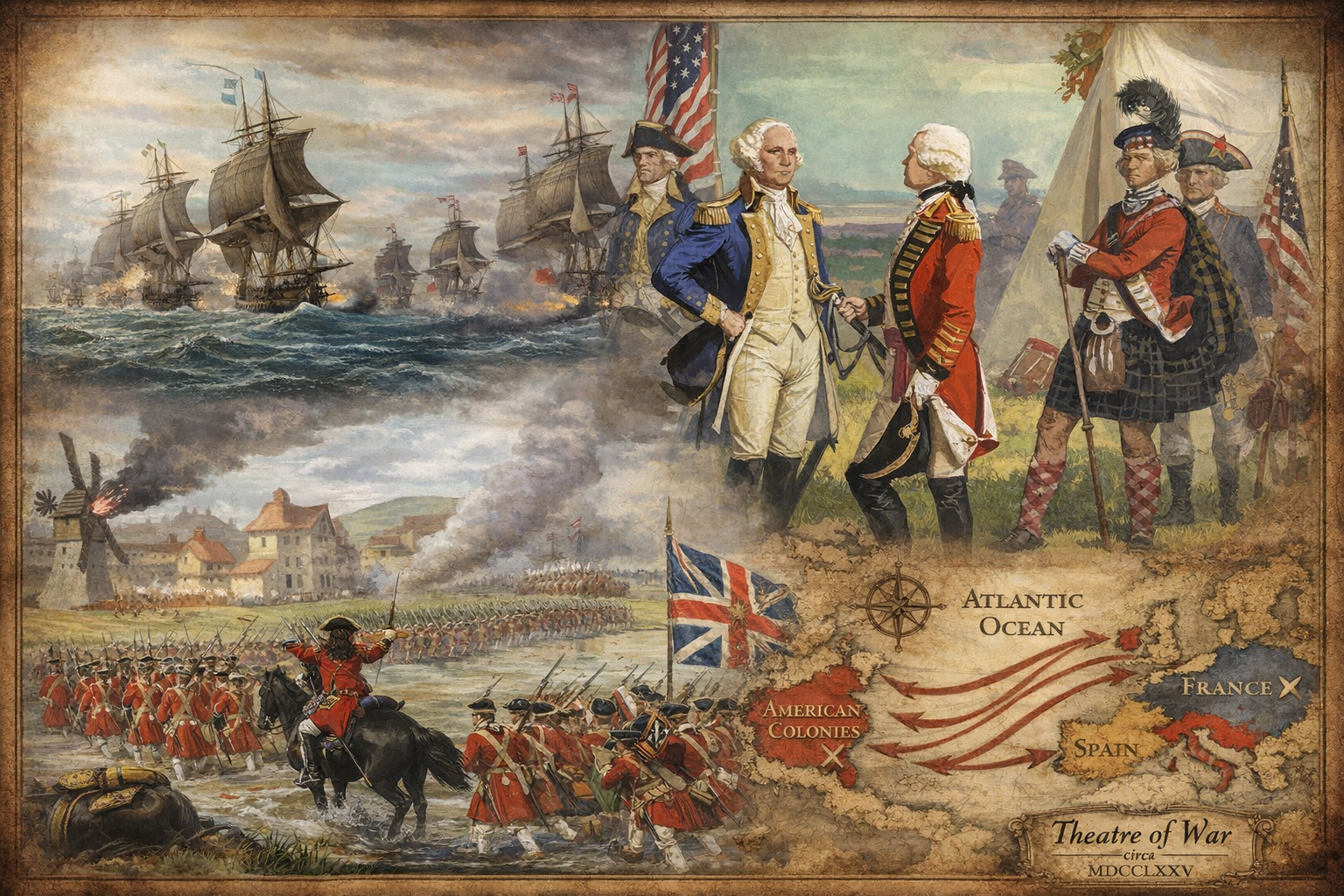
The Empire That Couldn’t Execute: All-Time Strategy Trap Fail #1
In 1775, British Empire was the mightiest force on earth.
Its navy ruled the seas. Its army was professional, disciplined, and well-equipped. Across the Atlantic stood a loose collection of farmers and merchants. No standing army. Little money. Fewer weapons.
From London’s perspective, the outcome seemed inevitable.
Yet six years later, Britain surrendered at Yorktown.

The Unicorn That Lost Its Horn: All-Time Strategy Trap Fail #5
In early 2019, WeWork was one of the most talked-about companies in the world.
It was valued at $47 billion. Investors lined up for an IPO that was imminent. It felt unstoppable.
And then it all came crashing down.
Within months, confidence evaporated, the narrative unraveled, and the valuation collapsed with stunning speed.
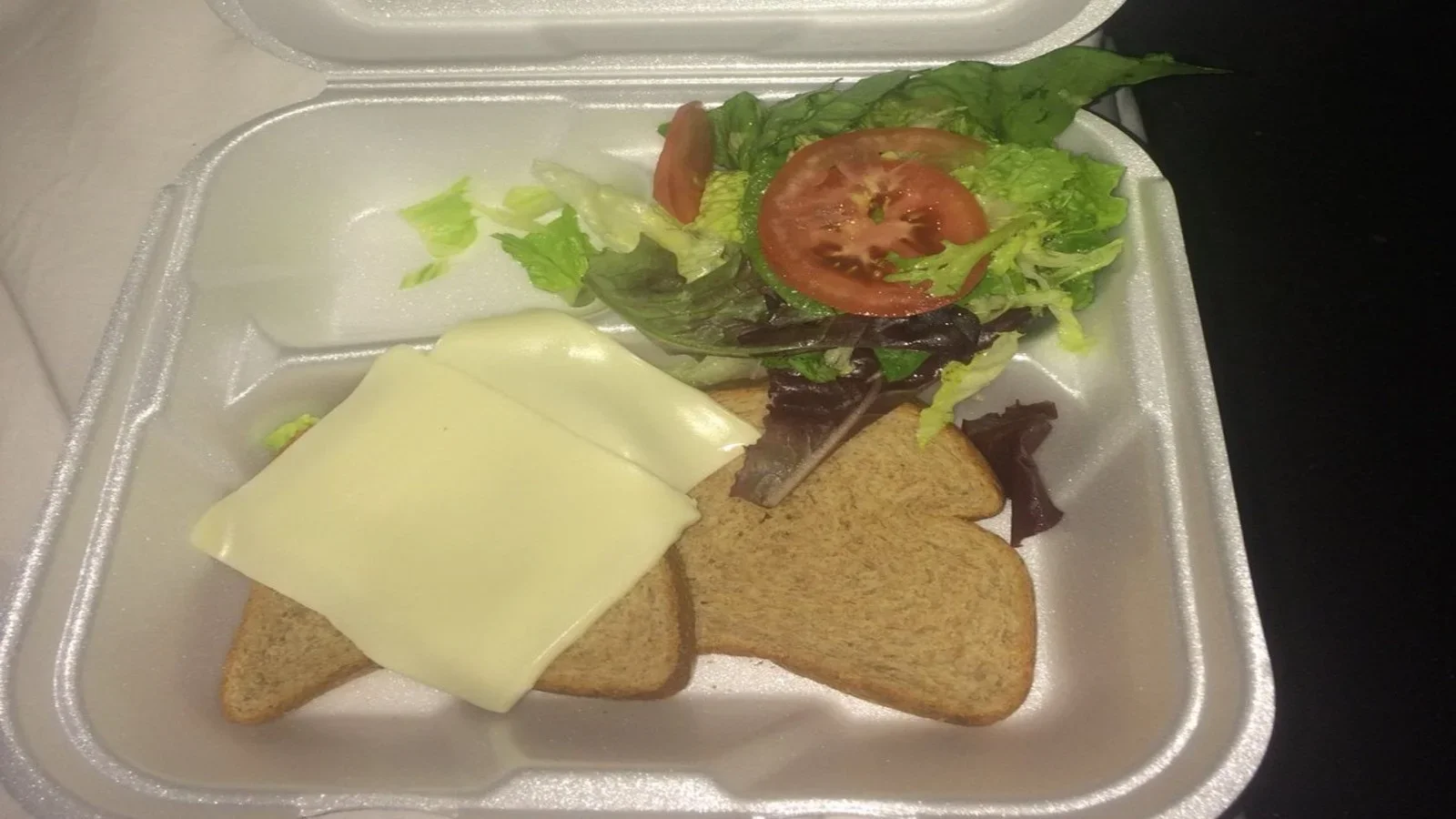
The Luxury Festival That Delivered Cheese Sandwiches: All-Time Strategy Trap Fail #7
It was marketed as the ultimate luxury music experience. Supermodels on yachts. Private jets. Tickets selling for thousands—some packages over $200,000.
But when guests arrived, the reality was a nightmare. A rainstorm had soaked the site. The "luxury villas" were actually disaster relief tents, and the mattresses inside were piled up, soaking wet. The gourmet meals were cheese sandwiches in Styrofoam boxes.

Reduce, Reuse, Recycle: Tips for Org Excellence
Reduce, reuse, recycle”is a rallying cry for sustaining our planet’s precious resources. Guess what? We can apply that same mantra to sustain our own organizational precious resources. The limited resources at stake are time, money, and people. By adopting these principles, we can turn scarcity into opportunity, creating leaner, more focused, and more effective teams who have the capacity to execute our new strategies.
We’re naturally wired to believe that adding more is the solution—more resources, more tools, more tasks…more complexity. Yet, as research shows, this instinct for addition can bog us down, leading to diminishing returns.