
When the Shortcut Becomes the Trap: All Time Strategy Trap Fail #8
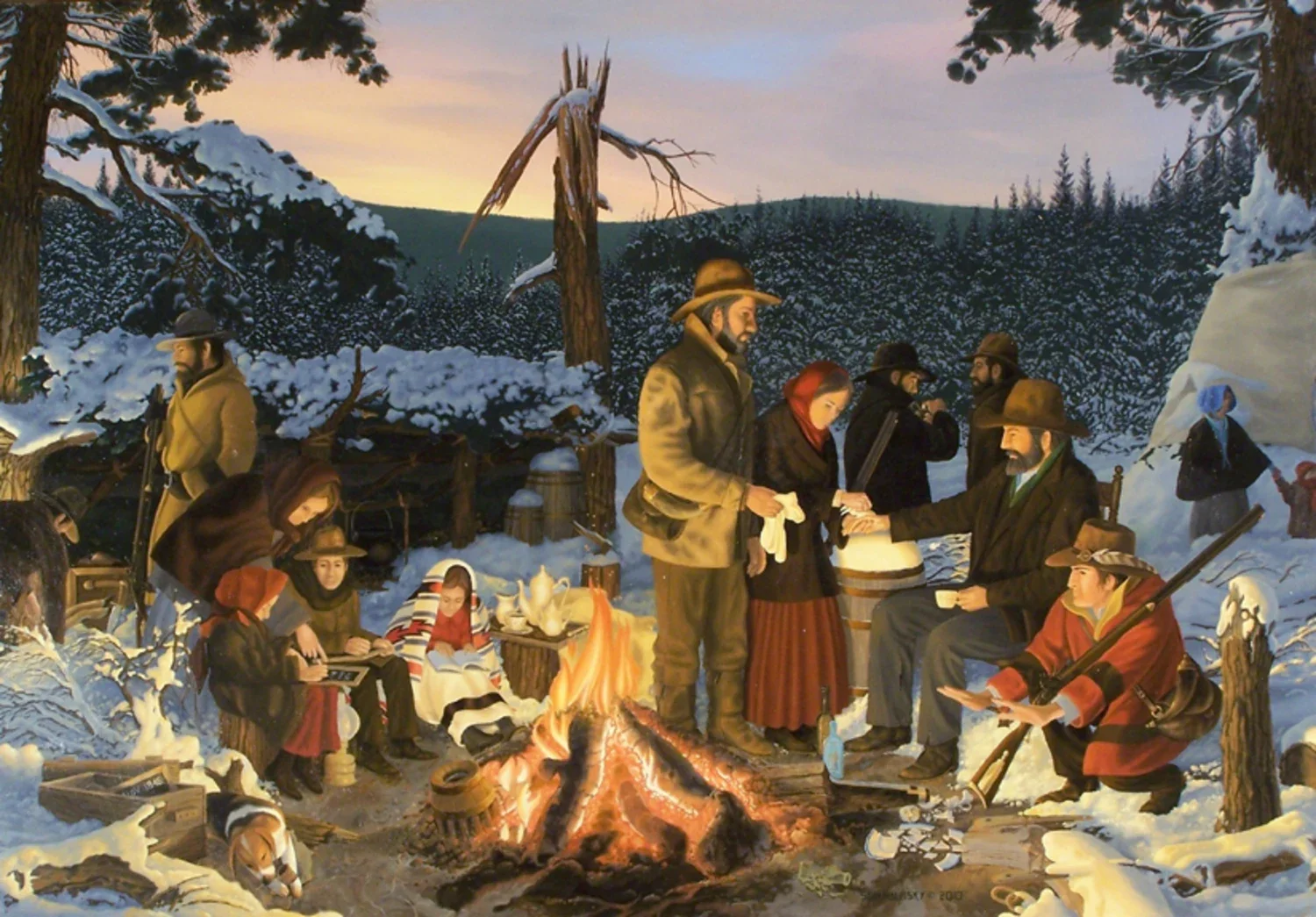
In April 1846, the Donner and Reed families set out for California with one north star: arrive safely before winter.
A clear, simple goal—one that required steady progress and smart decisions along the way. But when they started falling behind schedule, they reached for a shortcut. And that’s when everything began to unravel.
The Shortcut
At Fort Bridger, a guidebook by Lansford Hastings promised a bold new route—the Hastings Cutoff—that claimed to shave weeks off the journey.
Hastings had never actually traveled the route himself.
Still, the group took the bet.
The First Warning
When they reached the turnoff, Hastings wasn’t there to lead them. Instead, he had left a note pinned to a tree saying the path was blocked and they should “find another way around.”
A moment to pause.
A moment to return to the north star: get there safely.
They kept going.
The Canyon
The alternate route through Weber Canyon was a nightmare—fallen trees, bottlenecks, rockfalls. Scouts urged them to turn back.
They forced the wagons through anyway.
More lost time.
The Desert
Next came the Great Salt Desert, which Hastings claimed would take two days. It took six. Oxen collapsed. Wagons were abandoned. Families walked barefoot to lighten the load.
Their remaining margin evaporated.
The Result
By the time they reached the Sierra Nevada, winter arrived early. Snow fell on October 28th. The pass closed.
Eighty-seven began the journey. Forty-eight survived.
The snow didn’t doom them.
A shortcut did.
How the Six Cs Would Have Helped
A journey this dangerous needs the whole Six Cs system. But the C that mattered most here was Coaching.
In my framework, Coaching means actively managing execution by keeping everyone focused on the north star and helping the team make sound decisions when conditions change.
Here’s where Coaching would have changed the outcome:
1. When Hastings wasn’t there
A great coach would have asked:
“If the person who invented the shortcut won’t guide us, is this still aligned with our north star?”
And turned the group back to the main trail.
2. When Weber Canyon proved impassable
A strong coach would have reframed the choice:
“We’re losing critical time. This shortcut is no longer a shortcut.”
3. When the Salt Desert stretched from two days to six
A wise coach would have shifted the mission from “catch up” to “preserve strength.”
4. As they approached the Sierra Nevada
A prudent coach would have brought the group back to the north star:
Get there safely before winter.
Not fast. Not clever. Safe.
A great coach might have made the toughest call of all: stop, winter up, and try again in the spring. A hard choice, but a survivable one.
The Lesson
The Donner Party didn’t fail because they picked the wrong map.
They failed because, under pressure, their leaders didn’t coach the team back to the north star.
Strategies rarely implode in one moment. They erode one compromised decision at a time.
A good coach stops that slide—
especially when a dangerous shortcut looks tempting.
------
Master the Six Cs These stories are just the warning signs. The solution is the system. You can learn exactly how to apply Co-creation, Capacity, Clarity, Communication, Coordination, and Coaching in my upcoming book, The Strategy Trap.
Pre-order from your favorite bookseller at TheStrategyTrap.com
Next Week: Failure #7. When a cheese sandwich plays a role.
